Jason Cloth Indicted in Alleged $100 Million Ponzi Scheme
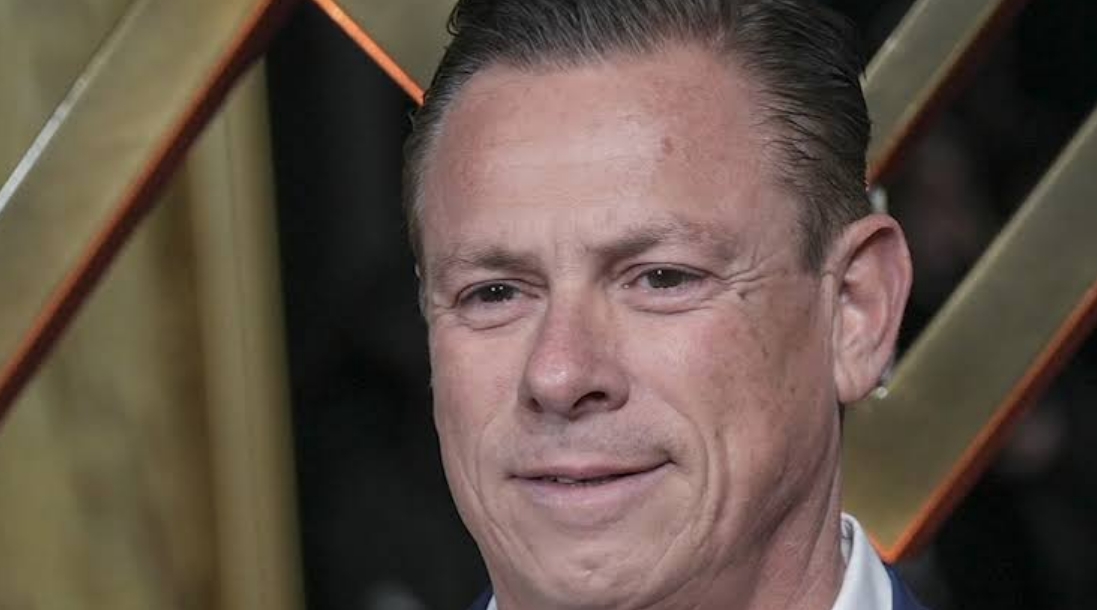
The entertainment industry has been rocked by another major financial controversy after film financier and producer Jason Cloth was indicted on allegations that he operated a $100 million Ponzi scheme involving investor money intended for film and entertainment projects. The case has attracted significant attention due to Cloth's involvement with high-profile productions such as Joker, Babylon, and Ghostbusters: Afterlife.
Federal prosecutors allege that investors were misled about how their funds would be used and that money raised for entertainment ventures was diverted to other purposes, including real estate developments and payments to earlier investors.
Who Is Jason Cloth?
Jason Cloth is a well-known figure in independent film financing. Through his company, Creative Wealth Media Finance Corp., he helped fund numerous Hollywood productions over the past decade. His name is associated with several successful films that generated substantial box office revenue and industry recognition.
Because of his reputation and track record in entertainment financing, many investors reportedly trusted his investment opportunities tied to film, television, and related media projects.
What Are the Allegations?
According to the indictment unsealed in a federal court in Chicago, prosecutors allege that Cloth solicited funds from investors by claiming their money would support specific film projects or an entertainment investment platform. Instead, authorities say significant portions of those funds were redirected toward unrelated ventures and used to repay previous investors.
The indictment claims that more than $100 million was obtained from an Illinois-based investment adviser, the adviser's clients, and other investors through false representations regarding the value and performance of their investments.
Federal investigators characterize the alleged operation as a Ponzi scheme, where money from newer investors is used to pay returns to earlier investors rather than generating legitimate profits from underlying business activities.
The Criminal Charges
Jason Cloth has been charged with seven counts of wire fraud following his arrest in Los Angeles. Prosecutors say each count carries a potential sentence of up to 20 years in federal prison if a conviction is secured.
In addition to the criminal charges, the government is seeking the forfeiture of at least $12.25 million, which prosecutors allege is connected to the fraudulent activities outlined in the indictment.
It is important to note that an indictment contains allegations, and Cloth remains presumed innocent unless proven guilty in court.
Previous Legal Troubles
The federal indictment is not the first legal challenge facing Cloth. Over recent years, investors have filed multiple lawsuits alleging misconduct connected to film-financing activities. Several cases have involved claims that investment funds were mishandled or diverted away from their intended purposes.
Regulatory authorities in Canada have also pursued enforcement actions involving Creative Wealth Media Finance. The Ontario Securities Commission previously alleged that investor money raised for entertainment projects was diverted to other uses, including unrelated financial obligations and projects.
Hollywood financing often relies on private investors willing to fund movies, television productions, and emerging entertainment platforms. These investments can offer attractive returns but also involve substantial risk and limited transparency compared to traditional public-market investments.
The allegations against Jason Cloth could increase regulatory scrutiny of private film-financing structures and encourage investors to conduct deeper due diligence before committing capital to entertainment ventures.
Industry observers believe the case may also influence how future film-financing deals are structured, with greater emphasis on reporting requirements, investor protections, and independent oversight.
Lessons for Investors
The allegations surrounding this case highlight several important lessons for investors:
1. Verify Investment Structures
Always understand where capital is being deployed and demand documentation supporting the use of funds.
2. Examine Track Records Carefully
A successful history in one project does not guarantee transparency or reliability in future investments.
3. Request Independent Audits
Third-party verification can help identify inconsistencies before they become major financial losses.
4. Diversify Investments
Concentrating capital in a single sector or investment manager can significantly increase risk.
What Happens Next?
The case will now move through the federal court system, where prosecutors will attempt to prove the allegations against Cloth. Investigators are also seeking to identify additional individuals who may have been affected by the alleged scheme.
As legal proceedings continue, the case is expected to remain closely watched by Hollywood executives, entertainment investors, regulators, and financial professionals alike.
Final Thoughts
The indictment of Jason Cloth marks one of the most significant alleged fraud cases in Hollywood financing in recent years. With accusations involving more than $100 million in investor funds, the outcome could have lasting implications for the entertainment investment landscape. While the allegations remain unproven until tested in court, the case serves as a powerful reminder of the importance of transparency, oversight, and due diligence in private investment markets.