

Top 10 Richest Families in the World (2026)
We often hear about billionaire entrepreneurs, but behind many of the world’s biggest fortunes are powerful families who have built wealth across generations. These families don’t just own companies - they shape industries, economies, and even global politics.
Here’s a look at the top 10 richest families in the world, how they made their fortunes, and what keeps them at the top.
- Walton Family
- Nahyan Family
- Al Saud Family
- Al Thani Family
- Hermès Family
- Koch Family
- Mars Family
- Ambani Family
- Wertheimer Family
- Thomson Family
1. Walton Family – $513.4 Billion
The Walton family sits at the very top of the global wealth ladder thanks to their ownership of Walmart, the largest retailer in the world. Founded by Sam Walton, the company revolutionized retail with its low-price, high-volume strategy. Over the decades, Walmart expanded aggressively across the United States and internationally, building a network of thousands of stores and a massive supply chain.
The family continues to hold a significant stake in the company, earning consistent dividends and maintaining influence over its operations. Their wealth is a classic example of how scale, efficiency, and long-term business vision can create generational prosperity.

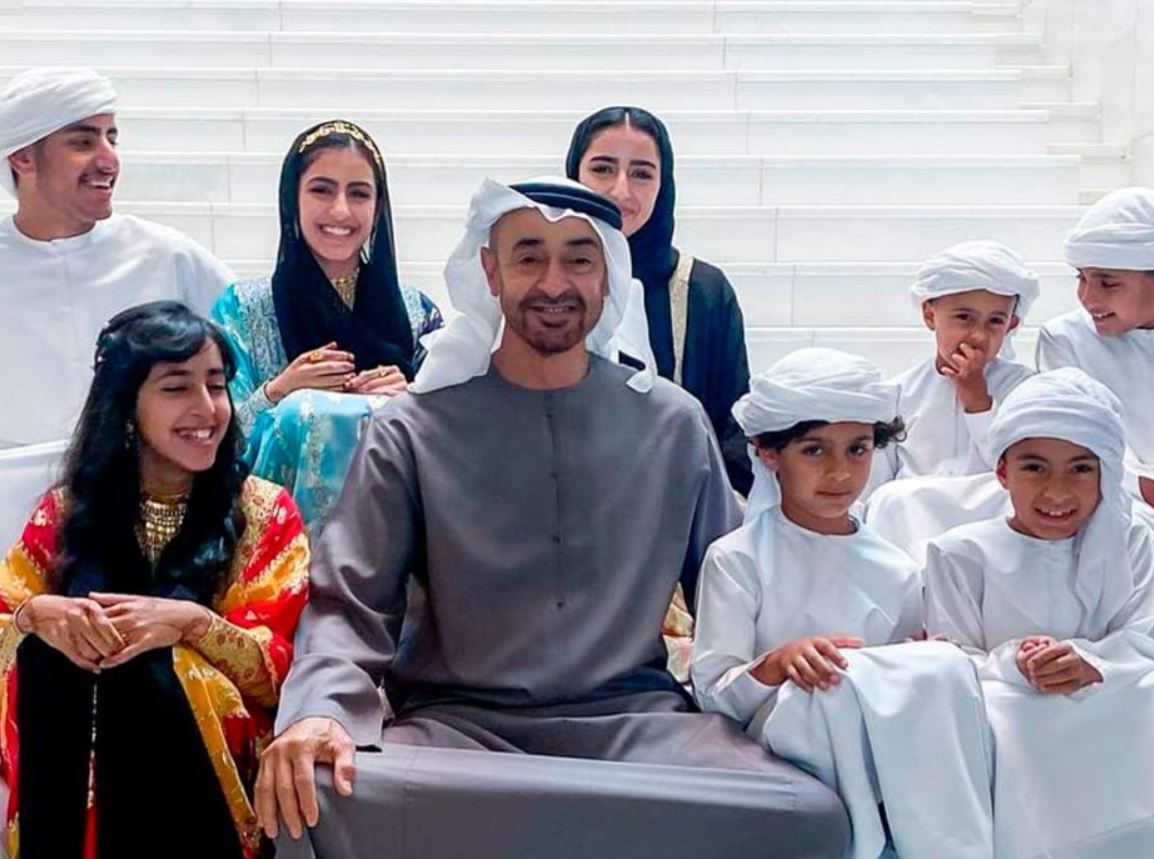
2. Nahyan Family – $335.9 Billion
The Al Nahyan family, the ruling family of Abu Dhabi, has accumulated vast wealth primarily through oil reserves and strategic global investments. Led by Mohamed bin Zayed Al Nahyan, the family controls significant stakes in sovereign wealth funds such as the Abu Dhabi Investment Authority.
While oil laid the foundation of their fortune, the family has diversified into sectors like technology, infrastructure, and international real estate. Their approach reflects a forward-thinking strategy using natural resource wealth to secure long-term global financial influence.
3. Al Saud Family – $213.6 Billion
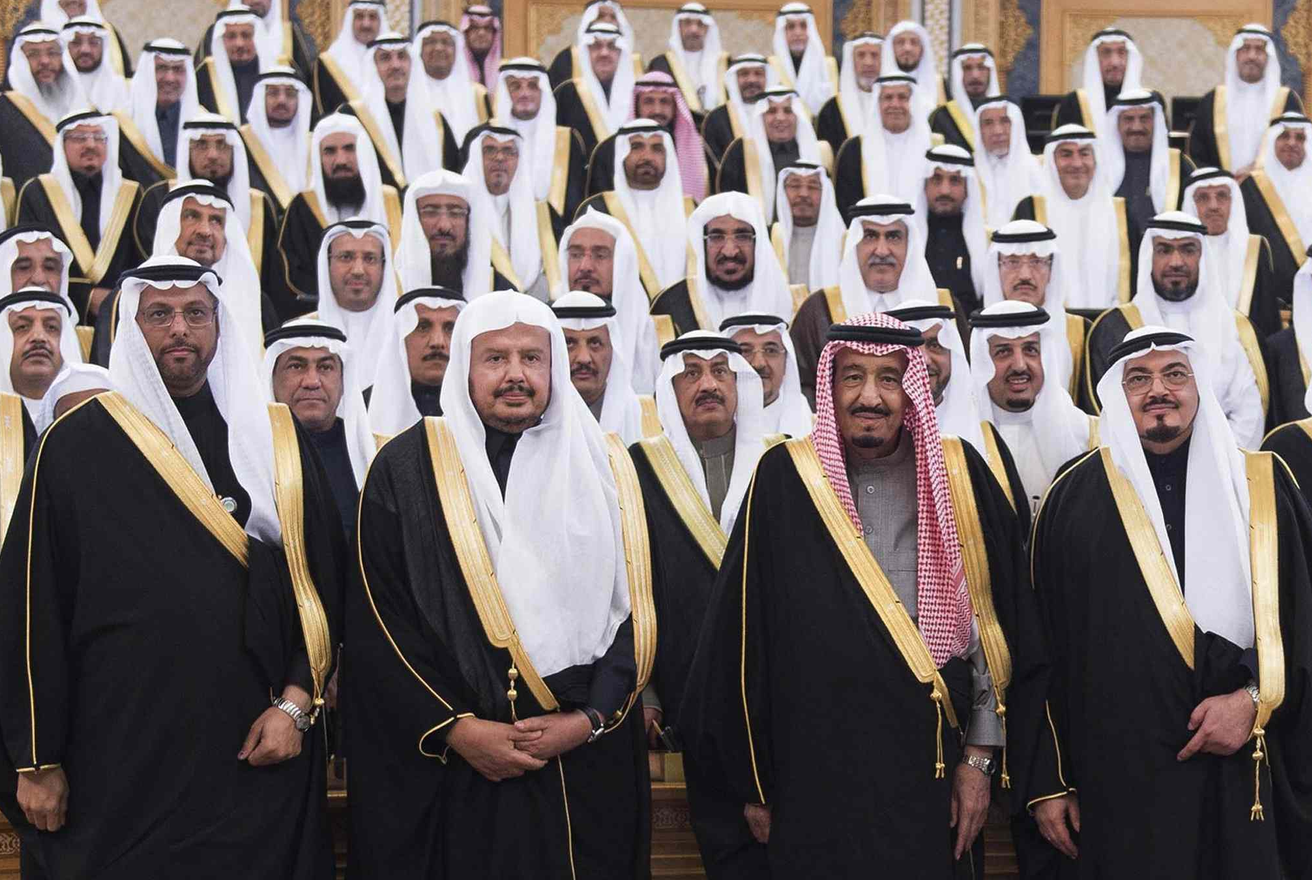
The Al Saud family is the royal family of Saudi Arabia and one of the most powerful dynasties in the world. Their wealth is closely tied to the country’s massive oil reserves, which have made Saudi Arabia a key player in global energy markets. With thousands of family members, wealth distribution varies, but collectively they control immense resources and influence.
Beyond oil, the family has been actively investing in tourism, infrastructure, and futuristic projects like NEOM to diversify the economy and reduce reliance on fossil fuels.
4. Al Thani Family – $199.5 Billion
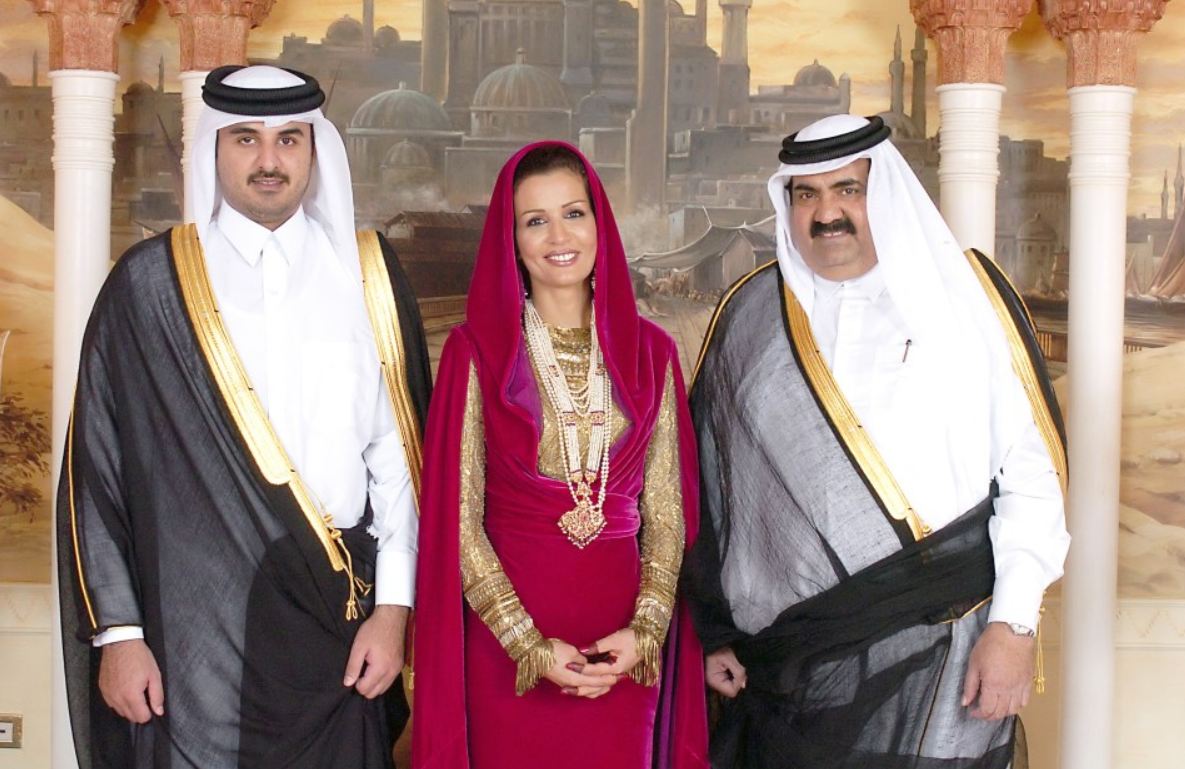
The Al Thani family, rulers of Qatar, has built its fortune on the country’s vast natural gas reserves, making Qatar one of the richest nations per capita. Over the years, the family has expanded its wealth through global investments in real estate, luxury brands, sports, and media. Their ownership stakes in international assets and hosting of global events have further elevated Qatar’s global presence.
The Al Thani family exemplifies how resource wealth can be transformed into a diversified global portfolio.
5. Hermès Family – $184.5 Billion
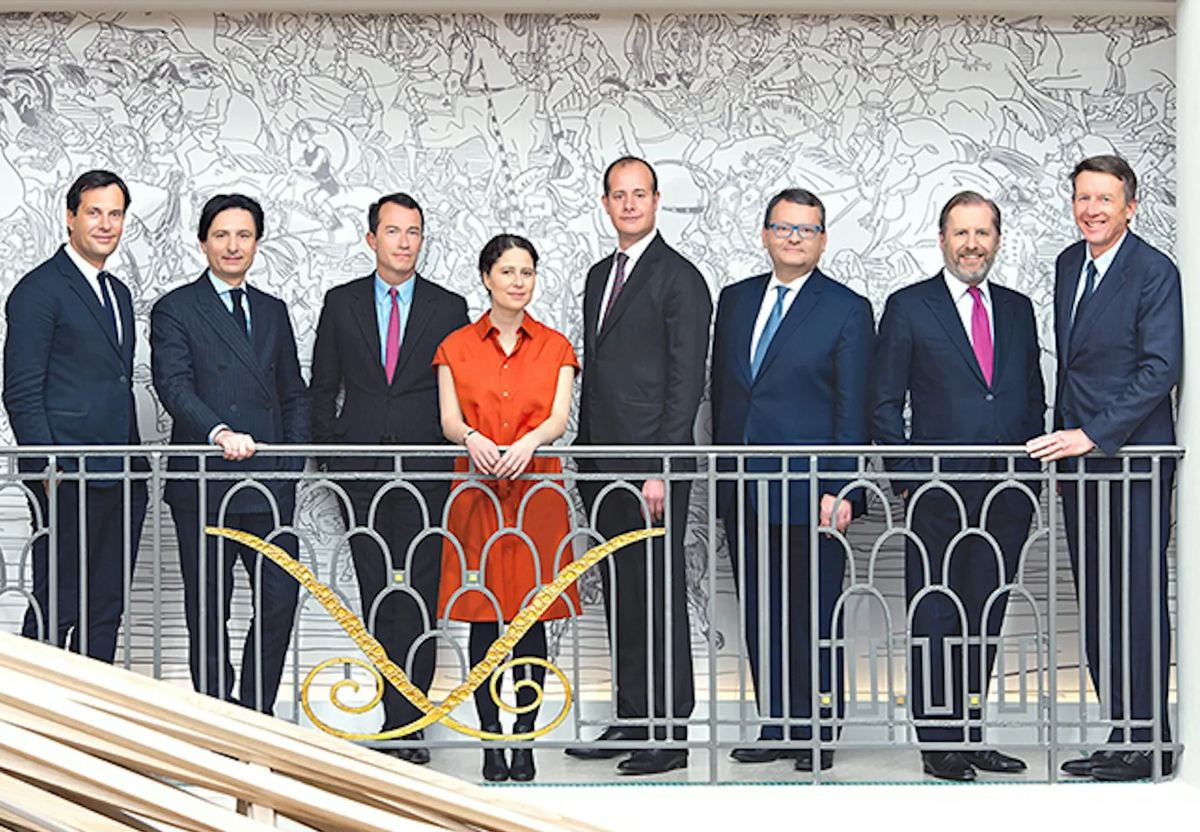
The Hermès family represents the pinnacle of luxury craftsmanship through their iconic brand Hermès. Established in the 19th century, the brand has maintained its reputation for exclusivity, quality, and timeless design. Products like the Birkin and Kelly bags are not just fashion items but status symbols, often with long waiting lists.
The family has carefully preserved control over the brand, ensuring consistent quality and limited production, which drives demand and keeps prices high. Their wealth highlights the power of branding and heritage in the luxury market.
6. Koch Family – $150.5 Billion
The Koch family built its fortune through Koch Industries, one of the largest privately held companies in the world. Under the leadership of Charles Koch, the company expanded far beyond oil refining into chemicals, manufacturing, and trading. Unlike many public corporations, Koch Industries operates privately, allowing the family to reinvest profits strategically and avoid market pressures.
Their success lies in diversification, operational efficiency, and a strong focus on long-term growth.

7. Mars Family – $143.4 Billion
The Mars family is behind Mars, a global giant in both the confectionery and pet care industries. Known for brands like M&M’s, Snickers, and Pedigree, the company has a strong presence in households worldwide. Despite its size, Mars remains a privately owned family business, which allows it to maintain control over its direction and reinvest profits.
The family’s ability to expand from chocolates into pet care has been a key factor in sustaining and growing their wealth.
8. Ambani Family – $105.6 Billion
The Ambani family is India’s richest family, led by Mukesh Ambani, chairman of Reliance Industries. Originally built on petrochemicals and refining, Reliance has transformed into a diversified conglomerate with major investments in telecom (Jio), retail, and digital services. The company’s aggressive expansion into India’s digital ecosystem has significantly boosted its valuation.
The Ambani family’s wealth reflects the rapid growth of India’s economy and the power of strategic diversification.

9. Wertheimer Family – $85.6 Billion
The Wertheimer family owns Chanel, one of the most prestigious fashion brands in the world. Despite their immense wealth, the family is known for maintaining a low public profile. Chanel’s success comes from its timeless appeal, iconic products like Chanel No. 5 perfume, and consistent brand positioning.
By keeping the company private, the Wertheimers have retained full control and ensured long-term brand integrity, which continues to drive their financial success.

10. Thomson Family – $82.1 Billion
The Thomson family’s wealth comes primarily from their ownership of Thomson Reuters, a global leader in financial data, news, and analytics. Their services are widely used by professionals in law, finance, and media industries. Unlike traditional wealth built on physical assets, the Thomson family’s fortune is rooted in information and data, one of the most valuable commodities in today’s digital economy.
Their success highlights the growing importance of knowledge-based industries in wealth creation.

Closing Insight
Across all these families, one clear pattern emerges: they control industries that the world depends on retail, energy, luxury, data, and technology.
While their paths to wealth differ, their ability to adapt, diversify, and think long-term is what keeps them at the top generation after generation.